Frequently Asked Questions
How can I ensure the quality of the wire ropes I purchase?
To ensure the quality of the wire ropes you purchase, choose products from reputable manufacturers, verify compliance with industry standards, and request certifications or test results. Additionally, inspect the ropes for any visible defects before buying.
What types of lifting gear are available from Elko Wire Rope?
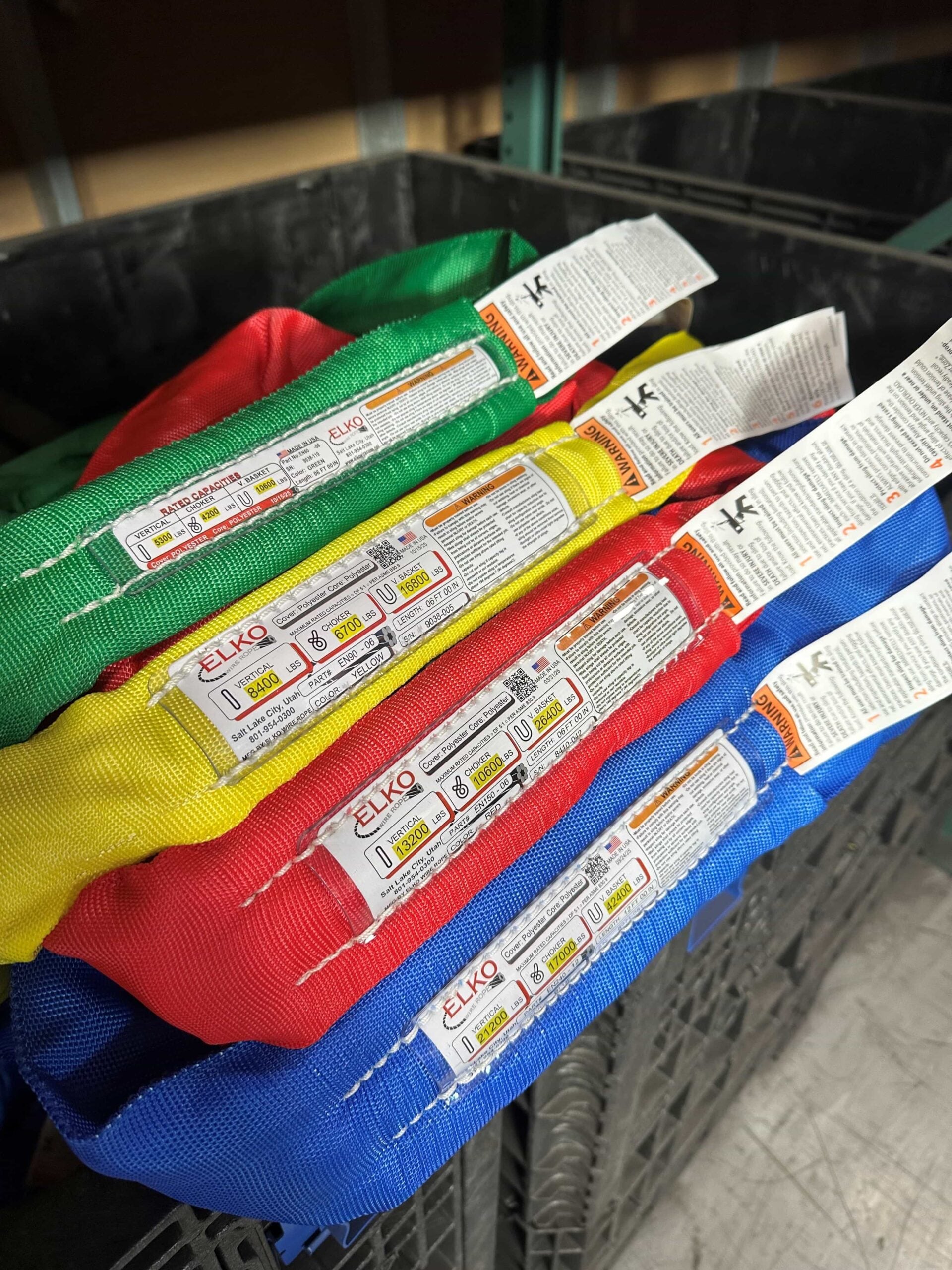
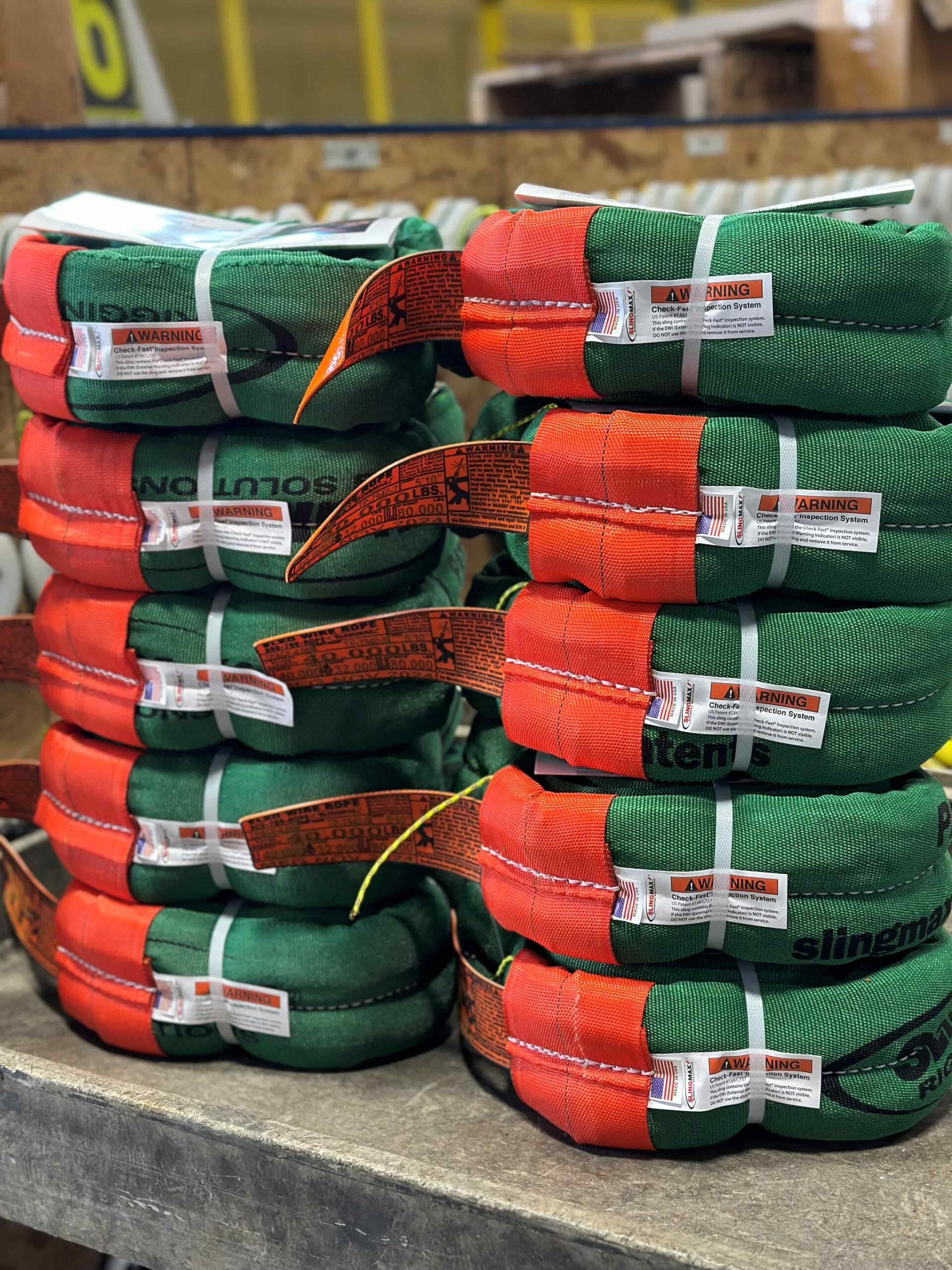
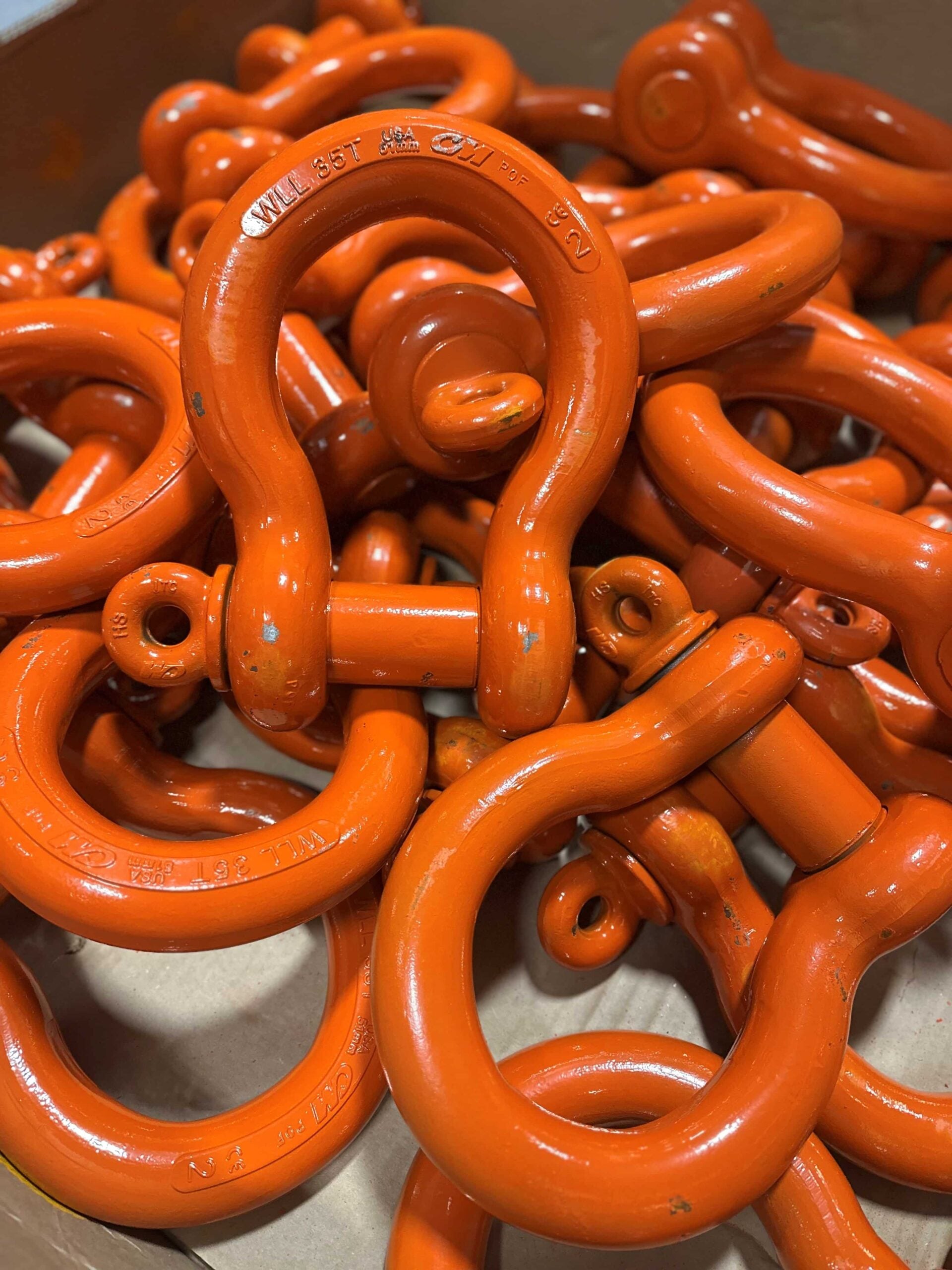
Elko Wire Rope offers a diverse range of lifting gear, including high-quality wire ropes, nylon slings, and various rigging products designed for safe and efficient lifting operations.
What are the advantages of using nylon slings for lifting operations?
The advantages of using nylon slings for lifting operations include their lightweight design, high flexibility, and resistance to abrasion, which enhance safety and efficiency during lifts. Additionally, they offer excellent load distribution and are less likely to damage the lifted items.
How does Elko Wire Rope maintain competitive pricing for its products?
Elko Wire Rope maintains competitive pricing for its products by leveraging strong supplier relationships, optimizing production processes, and continuously monitoring market trends to ensure value without compromising quality.
What safety measures should be considered when using wire ropes and slings?
Safety measures to consider when using wire ropes and slings include regular inspections for wear and damage, ensuring proper load limits are adhered to, using appropriate lifting techniques, and providing adequate training for all personnel involved in lifting operations.
What materials are used in Elko wire ropes?
The materials used in Elko wire ropes include high-strength steel wires, which provide durability and tensile strength, as well as protective coatings to enhance corrosion resistance and overall performance in lifting applications.
How are wire ropes tested for quality?
Wire ropes are tested for quality through rigorous processes including tensile strength tests, visual inspections, and non-destructive testing methods. These evaluations ensure that the ropes meet safety standards and performance requirements for reliable lifting operations.
What is the lifespan of nylon slings?
The lifespan of nylon slings typically ranges from 3 to 5 years, depending on usage, environmental conditions, and proper maintenance. Regular inspections and adherence to safety guidelines can help extend their durability.
Can Elko customize wire ropes for specific needs?
Elko Wire Rope can customize wire ropes to meet specific needs. Our team works closely with clients to ensure that each product is tailored for optimal performance and safety in their unique applications.
What certifications do Elko products have?
Elko products are certified to meet industry standards, including ASME and OSHA regulations, ensuring their quality and safety for lifting operations.
How to properly store wire ropes?
Proper storage of wire ropes is essential for maintaining their integrity. Store them in a dry, cool area, away from direct sunlight and harsh chemicals, and avoid stacking them to prevent deformation.
What is the weight capacity of Elko slings?
The weight capacity of Elko slings varies depending on the specific type and size. Generally, our slings are engineered to safely lift loads ranging from a few hundred to several thousand pounds. For precise capacities, please refer to the product specifications.
How to inspect wire ropes for damage?
Inspecting wire ropes for damage involves checking for visible signs of wear, such as broken wires, corrosion, and kinks. Additionally, ensure the rope maintains its original shape and flexibility, and always follow manufacturer guidelines for thorough inspections.
What are the best practices for lifting gear?
The best practices for lifting gear include regularly inspecting equipment for wear and tear, using the appropriate gear for the load, ensuring proper load distribution, and providing adequate training for operators to maintain safety and efficiency.
How does Elko ensure product durability?
Elko ensures product durability through rigorous quality control processes, using high-grade materials and advanced manufacturing techniques. This commitment to excellence guarantees that our rigging products, including wire ropes and slings, withstand demanding lifting conditions.
What industries use Elko lifting products?
Elko lifting products are utilized across various industries, including construction, manufacturing, shipping, and energy. These sectors rely on our high-quality rigging solutions for safe and efficient lifting operations.
How to choose the right wire rope?
Choosing the right wire rope involves considering factors such as load capacity, diameter, material type, and intended application. Evaluate the specific requirements of your lifting operations to ensure safety and efficiency.
What are common applications for nylon slings?
Common applications for nylon slings include lifting and securing loads in construction, manufacturing, and shipping industries, as well as in rigging for heavy equipment and machinery. Their flexibility and strength make them ideal for various lifting tasks.
How often should lifting gear be replaced?
Lifting gear should be replaced regularly to ensure safety and reliability. Generally, it is recommended to inspect and potentially replace lifting gear every 1 to 3 years, depending on usage, wear, and manufacturer guidelines.
What are the benefits of using synthetic slings?
The benefits of using synthetic slings include their lightweight nature, high strength-to-weight ratio, resistance to abrasion and chemicals, and reduced risk of damage to loads. They offer safe and efficient lifting solutions for various applications.
How to maintain wire ropes for longevity?
Maintaining wire ropes for longevity involves regular inspections, proper lubrication, and avoiding excessive bending or kinking. Additionally, keeping them clean and storing them correctly when not in use will help extend their lifespan.
What safety standards apply to lifting gear?
The safety standards that apply to lifting gear include regulations set by organizations such as OSHA, ANSI, and ASME, ensuring that all equipment meets stringent safety and performance criteria for safe lifting operations.
How does Elko handle product warranties?
Elko Wire Rope handles product warranties by offering comprehensive coverage on all our rigging products, ensuring that any defects in materials or workmanship are addressed promptly. Customers can easily reach out to our support team for warranty inquiries and assistance.
What are the dimensions of standard wire ropes?
The dimensions of standard wire ropes vary widely, typically ranging from 1/8 inch to 2 inches in diameter, depending on the specific application and load requirements.
How to calculate load limits for slings?
Calculating load limits for slings involves determining the sling's working load limit (WLL), which is based on factors such as the sling's material, construction, and configuration. Always refer to manufacturer specifications for accurate limits.
What training is required for using lifting gear?
The training required for using lifting gear includes understanding equipment operation, safety protocols, load limits, and proper rigging techniques. Operators should also complete hands-on training and certification programs to ensure safe and efficient use.
How does Elko support customer inquiries?
Elko Wire Rope supports customer inquiries through dedicated communication channels, including phone, email, and an online contact form, ensuring prompt responses and assistance for all lifting product needs.
What innovations are present in Elko products?
The innovations present in Elko products include advanced materials and designs that enhance durability, safety, and efficiency, ensuring optimal performance in lifting applications while meeting industry standards.
How to identify the right sling type?
Identifying the right sling type involves assessing the load's weight, shape, and lifting environment. Consider the material, such as nylon or polyester, and choose a sling that meets your specific lifting needs for safety and efficiency.
What are the environmental impacts of wire ropes?
The environmental impacts of wire ropes include resource extraction, energy consumption during manufacturing, and potential pollution from improper disposal. Sustainable practices and recycling can mitigate these effects, promoting a more eco-friendly approach to their use.