
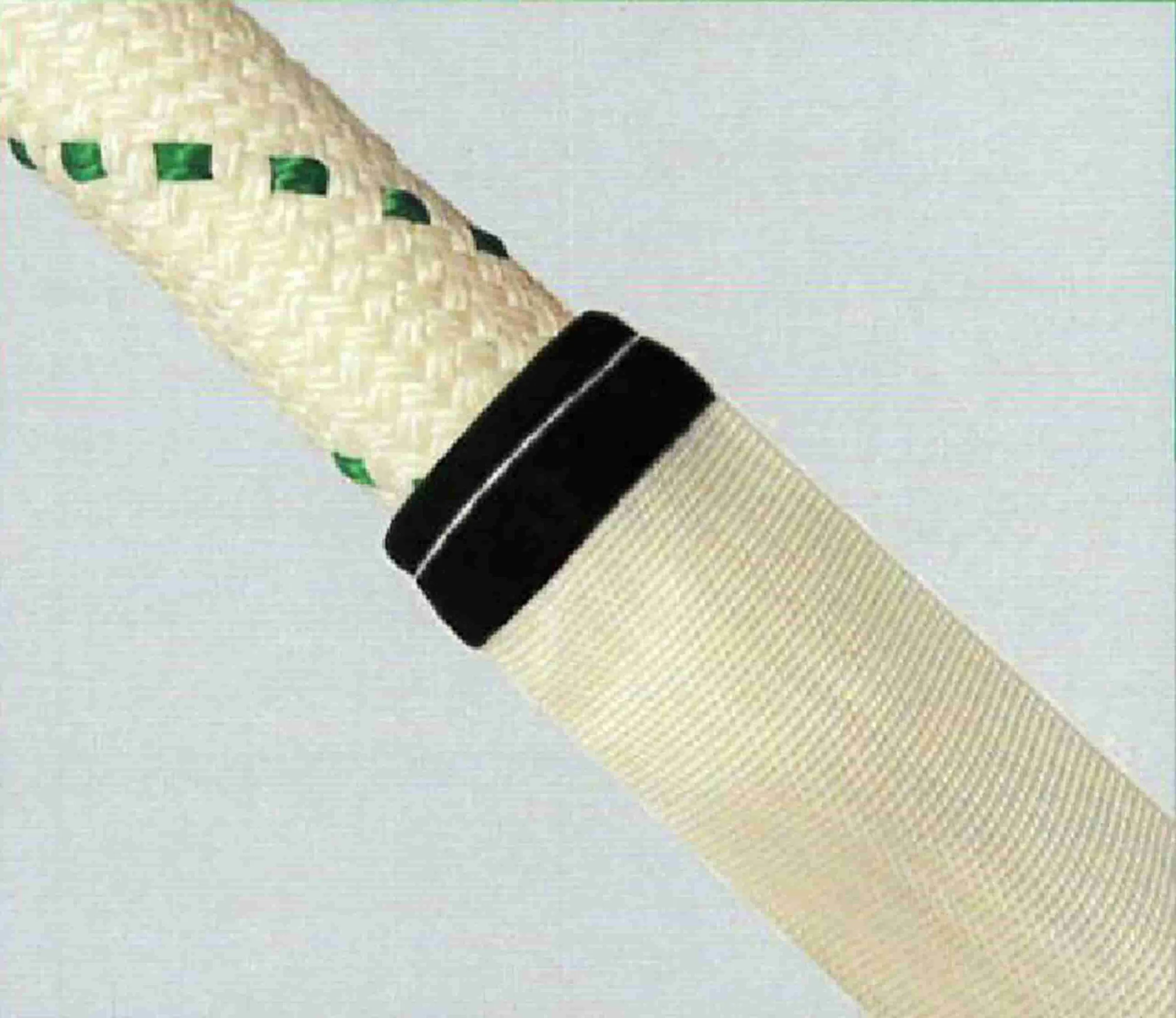
Synthetic Lifting Slings
Synthetic Slings – Lightweight, Flexible Lifting Solutions
Synthetic slings are versatile rigging tools made from high-strength synthetic fibers such as nylon or polyester, designed to provide safe, effective, and damage-free load handling for a wide range of industrial lifting operations. Their flexibility, lightweight nature, and non-abrasive surface make synthetic slings ideal for lifting delicate, polished, or sensitive loads where metal slings might cause damage. Elko Wire Rope offers a comprehensive assortment of synthetic slings tailored to meet your project’s load capacity, durability, and safety requirements with competitive pricing and prompt delivery.
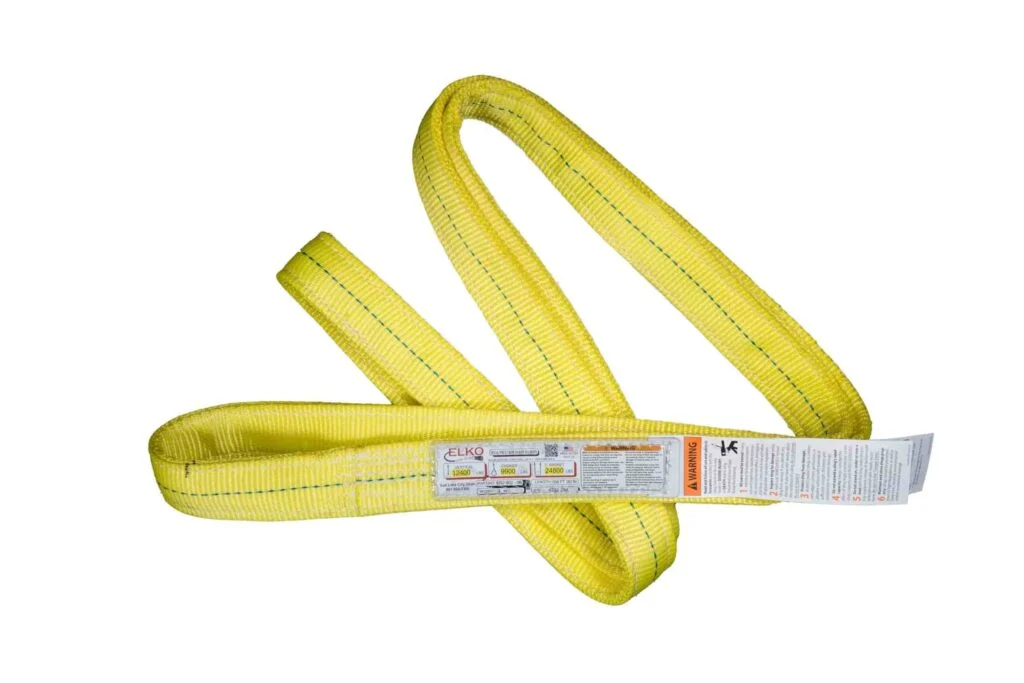
Synthetic Slings guide
Types and Materials of Synthetic Slings
Types of Synthetic Slings We Offer
Elko Wire Rope stocks various types of synthetic slings to suit different applications:
- Round Slings: Endless loops with a strong synthetic core protected by a woven outer jacket, providing abrasion resistance and flexibility.
- Web Slings: Flat, wide slings made from woven nylon or polyester fibers, ideal for lifting loads with larger surface contact.
- Endless Slings: Continuous loops without end fittings, offering unlimited sling configurations with high strength.
- Multi-ply Slings: Multiple layers for added strength and reduced stretch, great for heavier or repetitive lifts.
Materials include:
- Nylon: Elastic and strong, absorbs shock loads well but with higher stretch; resistant to alkalis.
- Polyester: Low-stretch, superior UV and chemical resistance, suitable for outdoor and harsh environments.
Color-coded sling jackets correspond to specific Working Load Limits (WLL) for easy identification and safety assurance.
Applications and Industry Use
Industries & Applications
Synthetic slings are widely used across diverse sectors including:
- Construction: For lifting materials and machinery while protecting surfaces from damage.
- Manufacturing and Warehousing: Safe and efficient load handling and positioning of equipment.
- Marine and Offshore: Corrosion-resistant lifting solutions for wet or salty environments.
- Oil & Gas: Lightweight slings that offer high strength without adding load weight.
- Delicate Surface Handling: Perfect for finished goods, steel plates, glass, or polished components because they don’t scratch or mar.
Their adaptability allows for vertical, choker, basket, and endless sling hitches for flexibility in rigging methods.</
Advantages of Synthetic Slings
Why Choose Synthetic Slings?
Synthetic slings are preferred for many reasons:
- Lightweight and easy to handle compared to wire rope or chain slings.
- Non-abrasive surface prevents damage to delicate loads.
- High strength-to-weight ratio ensures efficient load lifting.
- Resistant to moisture, mildew, and many chemicals, especially polyester variants.
- Color-coded and easy to inspect for damage, promoting safety.
- Flexible enough to handle irregularly shaped or fragile loads.
- Low maintenance compared to metal slings.
Safe Use, Inspection, and Maintenance
Synthetic Sling Safety & Maintenance Tips
Maximize safety and service life with proper care:
- Conduct daily inspections for cuts, fraying, abrasions, broken stitching, and core yarn exposure.
- Never exceed the rated Working Load Limit (WLL).
- Use edge protectors when lifting loads with sharp or abrasive edges.
- Store slings in cool, dry places away from direct sunlight, heat, and chemicals.
- Avoid exposure to temperatures exceeding manufacturer recommendations (typically below 194°F/90°C).
- Remove damaged slings from service immediately; repairs are prohibited per OSHA and ASME B30.9 standards.
Custom Fabrication and Services
Partner with Elko Wire Rope for Trusted Sling Solutions
Elko Wire Rope supports your lifting demands with:
- Custom synthetic sling fabrication — tailored lengths, capacities, and end fittings.
- Multi-ply and specialty sling options for enhanced strength and specific applications.
- Professional inspection and testing services to ensure safety compliance.
- Expert consultation to select the proper sling type, capacity, and configuration.
Our team assists you in achieving optimal lifting performance and regulatory compliance.
Commitment to Quality and Customer Satisfaction
At Elko Wire Rope, quality and customer satisfaction are paramount. Our synthetic slings are manufactured using premium fibers under stringent quality control measures to meet or exceed industry standards such as ASME B30.9 and OSHA requirements. We emphasize ongoing process improvement, on-time delivery, and competitive pricing to support your projects reliably. Trust Elko Wire Rope for all your synthetic sling needs and experience superior service and products designed for maximum performance and safety.
Synthetic Sling Buying Guide
Which synthetic sling should you use?
| Round sling | Web sling (flat) | Slingmax HMPE / K-Spec | |
|---|---|---|---|
| Best for | Everyday lifts, chokers, odd shapes | Wide or flat loads that need bearing surface | Heavy, critical or engineered lifts |
| Strength member | Polyester core yarn inside a cover | Woven nylon or polyester webbing | High-performance core yarn |
| Capacity at a glance | Cover color | Tag (by width and ply) | Tag |
| Weight to carry | Light | Light | Lightest for its rating |
| Stretch | Low | Nylon higher, polyester low | Very low (about 1%) |
| Price | Low | Low | High |
Nylon vs. polyester
| Nylon | Polyester | |
|---|---|---|
| Stretch at rated load | Higher (up to about 10%) | Low (about 3%) |
| Chemicals | Resists alkalis; avoid acids | Resists most acids; avoid alkalis |
| Good choice when | You want some give on shock loads | You need precise placement or work outdoors |
Both should stay below about 194°F. For hot work, see the Slingmax Sparkeater.
Quick picks
- Not sure where to start: a polyester round sling. Use the round sling color chart to match capacity.
- Flat or wide loads: an eye & eye synthetic sling, or an endless synthetic sling for basket and choker flexibility.
- Heavy or critical lifts: the Slingmax lineup. Here's when to upgrade to Twin-Path.
- Any sharp edge: add sling protection. Synthetic slings cut easily on corners.
Questions about synthetic slings
What are synthetic slings?
Synthetic slings are flexible lifting devices made from synthetic materials like nylon or polyester, used for hoisting, rigging, and material handling.
What types of synthetic slings are available?
The most common types include web slings, round slings, and endless slings.
What is the difference between nylon and polyester slings?
Nylon slings stretch more (up to 10%) and are resistant to alkalis, while polyester slings have low stretch and better resistance to acids and UV rays.
Are synthetic slings safe for overhead lifting?
Yes, when properly rated and inspected, synthetic slings are approved for overhead lifting applications.
When should I use a synthetic sling instead of a wire rope or chain sling?
Use synthetic slings for delicate or finished surfaces, lightweight lifting, and environments where flexibility and non-marring contact are required.
What are the advantages of synthetic slings?
They are lightweight, non-damaging to loads, easy to handle, and resistant to mold, mildew, and some chemicals.
Can synthetic slings be used in harsh environments?
Yes, but exposure to high heat, UV, or chemicals may degrade the material. Always consult the sling manufacturer for limitations.
What is the lifespan of a synthetic sling?
Lifespan depends on usage, exposure, and care, but slings should be inspected regularly and retired if damage is found.
How do I inspect synthetic slings?
Check for cuts, fraying, melted fibers, discoloration, broken stitching, or missing tags before every use.
Can synthetic slings be repaired?
Only the sling manufacturer can repair a synthetic sling, and a repaired sling must be proof tested before it goes back into service. In practice most damaged web and round slings are simply replaced. Slingmax Twin-Path slings can be sent back to Slingmax for repair.
What is the working load limit (WLL) of a synthetic sling?
The WLL varies by sling type, width, ply, and hitch configuration. Always refer to the manufacturer tag and load chart.
Can synthetic slings be used with sharp edges?
Only with edge protection. Synthetic slings are vulnerable to cutting and should never contact sharp or abrasive surfaces directly.
Are synthetic slings color-coded?
Yes. Color often indicates capacity (e.g., purple, green, yellow, red), helping with quick identification of load rating.
Can I use synthetic slings for lifting hot materials?
Generally no. Most synthetic slings are rated for temperatures below 194°F (90°C). Use high-temperature-rated slings if required.
How should synthetic slings be stored?
Keep them in a clean, dry place away from sunlight, moisture, chemicals, and extreme temperatures.
What are endless synthetic slings?
Endless slings form a continuous loop, allowing use in multiple sling angles and hitch types—ideal for rotation and extended life.
What standards should synthetic slings comply with?
They should meet ASME B30.9, OSHA 1910.184, and bear a clear manufacturer tag with WLL and ID info.
Does Elko Wire Rope supply synthetic slings?
Yes, Elko Wire Rope offers a full range of synthetic slings including custom lengths and lifting configurations.
Are there multi-ply synthetic slings available?
Yes. Multi-ply slings offer added strength and reduced stretch, especially useful in heavy-load or repeated-use scenarios.
Do synthetic slings require training to use?
Yes, OSHA requires that employees be trained on safe sling selection, inspection, use, and storage.
Get a quote on synthetic slings
Tell us what you are lifting and how. A branch will come back with the right sling and a price.